
Discovering Malatya Pestilleri: A Delightful Traditional Treat
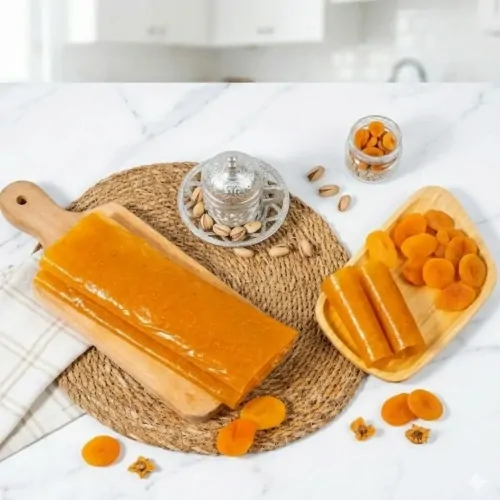
Malatya Pestilleri Editorial Team · Brand editorial team · Updated 2026-11-11
Malatya pestilleri are a cherished traditional Turkish delicacy made from concentrated fruit pulp, primarily from apricots and mulberries. Known for their rich flavor and health benefits, these pestils are not only delicious but are also a significant part of the culinary heritage of the Malatya region.
What is Pestil?
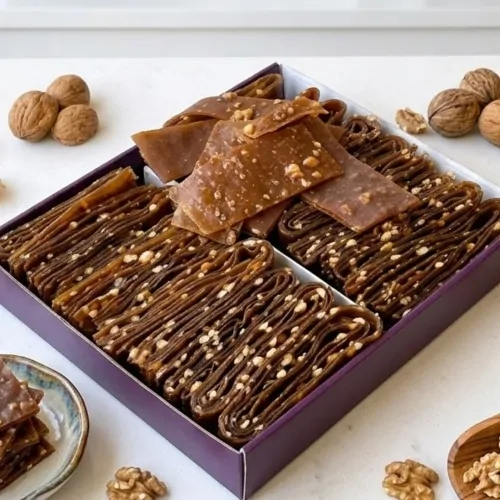
Pestil, in general, refers to a type of fruit leather made by drying fruit pulp. This ancient method of preserving fruits involves spreading the puree of ripe fruits onto flat surfaces and allowing it to dry in the sun. The result is a chewy, sweet snack that retains most of the fruit's nutritional value. In Malatya, pestil is particularly famous for its unique flavor and texture, thanks to the region's high-quality fruits.
Types of Malatya Pestilleri
Malatya pestilleri come in various types, showcasing the region's diverse fruit offerings:
- Kayısı Pestili: Made from the pulp of sun-dried apricots, kayısı pestili is sweet and slightly tangy, capturing the essence of Malatya's renowned apricots.
- Dut Pestili: This variant is made from mulberries, offering a deep, rich flavor profile that is both sweet and slightly tart, making it a favorite among many.
- Cevizli Pestil: A delightful combination of pestil and walnuts, this version adds a crunchy texture and a nutty flavor that complements the sweetness of the fruit.
How is Pestil Made?
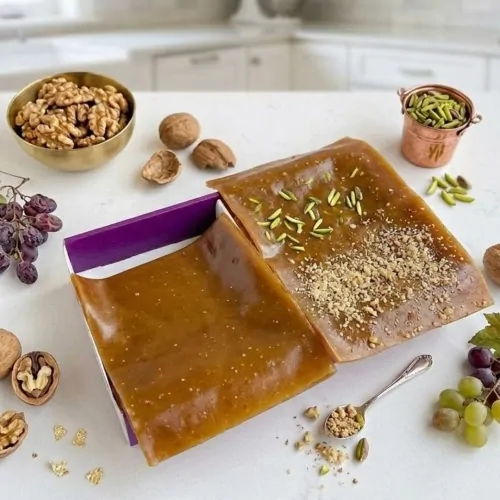
The process of making pestil is both an art and a tradition. Here’s a brief overview of how it’s typically done:
- Selecting the Fruit: High-quality, ripe fruits, such as apricots or mulberries, are chosen for their natural sweetness.
- Preparing the Pulp: The fruits are washed, pitted (if necessary), and then crushed into a smooth puree. Some recipes may include sugar or spices for added flavor.
- Drying: The fruit puree is spread evenly on a flat surface or onto specially designed trays. It is then left to dry in the sun for several days, ensuring it thickens and transforms into a chewy texture.
- Cutting and Packaging: Once dried, the pestil is cut into strips or squares and often wrapped for preservation. It can be enjoyed as a snack or used in various desserts.
The Health Benefits of Malatya Pestilleri
Malatya pestilleri offer several health benefits, making them a great alternative to processed snacks. They are rich in vitamins, minerals, and antioxidants derived from the fruits used in their production. For example, apricots are high in vitamin A, potassium, and dietary fiber, while mulberries provide a good source of vitamin C and iron. The natural sugars in pestil can provide a quick energy boost without the synthetic additives found in many commercial snacks.
Frequently Asked Questions
1. What is the origin of Malatya pestilleri?
Malatya pestilleri originate from the Malatya region of Turkey, known for its high-quality apricots and other fruits. The tradition of making pestil dates back centuries, reflecting the local agricultural practices.
2. How long can pestil be stored?
If stored in a cool, dry place and kept in an airtight container, pestil can last for several months. However, for the best flavor and texture, it is recommended to consume it within a few weeks.
3. Can pestil be made at home?
Yes, pestil can easily be made at home using ripe fruits. The process involves pureeing the fruit and drying it properly to achieve the desired texture.
4. What are some uses for pestil?
Pestil can be enjoyed on its own as a snack, used in desserts, or paired with nuts and cheeses for a delicious platter. Its versatility makes it a popular choice in many culinary applications.
5. Are there any allergens in pestil?
Generally, pestil made from fruits is gluten-free and dairy-free. However, variations that include nuts (such as cevizli pestil) may contain allergens, so it's essential to check the ingredients if you have allergies.
Conclusion
Malatya pestilleri are not just a treat but a representation of Turkey's rich agricultural heritage and culinary traditions. With a variety of flavors and health benefits, they make for a delightful addition to any diet. Whether you enjoy them as a snack or incorporate them into your meals, Malatya pestilleri are sure to satisfy your sweet tooth while providing a taste of Turkish culture.
FAQ
What is the origin of Malatya pestilleri?
Malatya pestilleri originate from the Malatya region of Turkey, known for its high-quality apricots and other fruits. The tradition of making pestil dates back centuries, reflecting the local agricultural practices.
How long can pestil be stored?
If stored in a cool, dry place and kept in an airtight container, pestil can last for several months. However, for the best flavor and texture, it is recommended to consume it within a few weeks.
Can pestil be made at home?
Yes, pestil can easily be made at home using ripe fruits. The process involves pureeing the fruit and drying it properly to achieve the desired texture.
What are some uses for pestil?
Pestil can be enjoyed on its own as a snack, used in desserts, or paired with nuts and cheeses for a delicious platter. Its versatility makes it a popular choice in many culinary applications.
Are there any allergens in pestil?
Generally, pestil made from fruits is gluten-free and dairy-free. However, variations that include nuts (such as cevizli pestil) may contain allergens, so it's essential to check the ingredients if you have allergies.